
About us
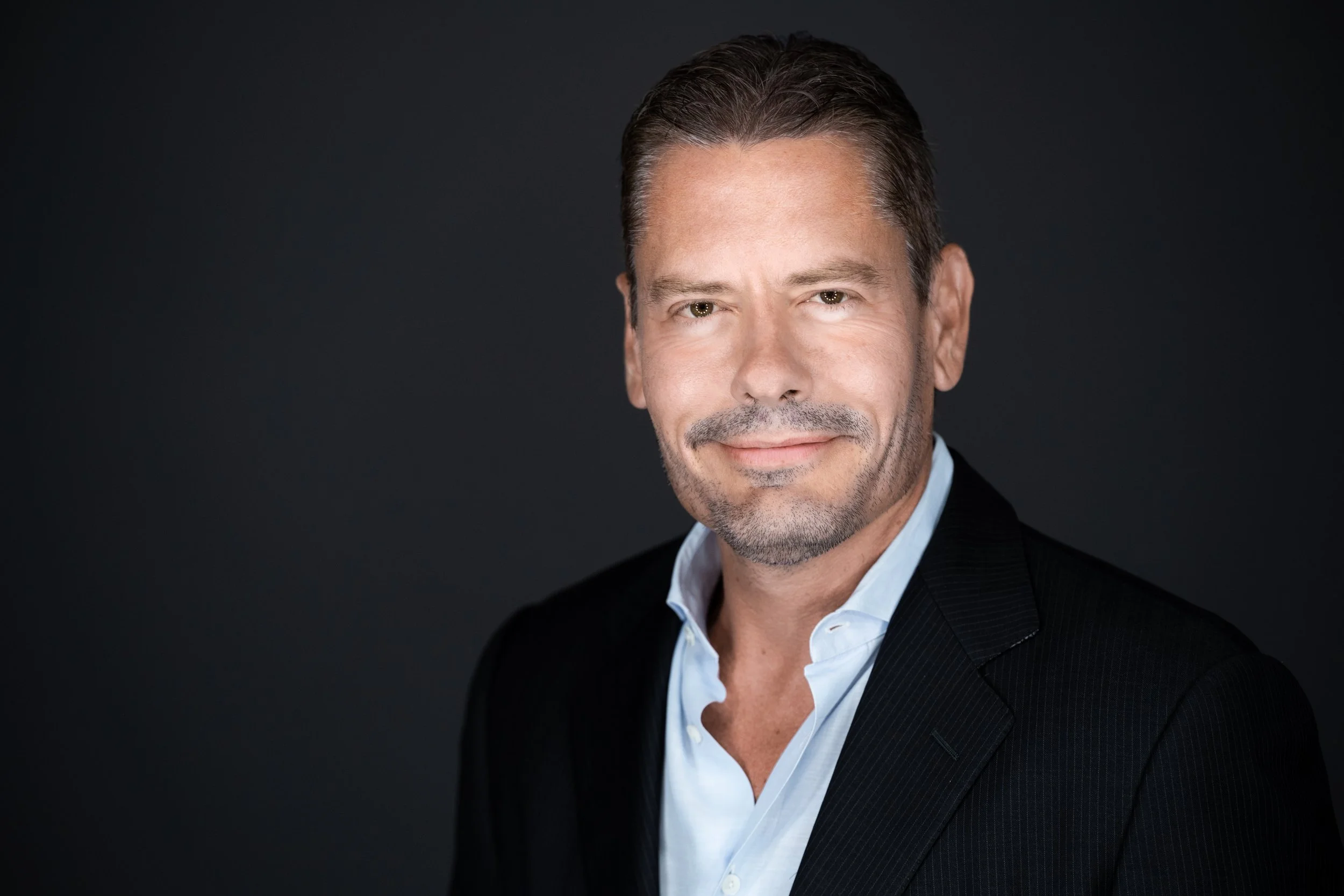
William Hammond, Financial Advisor
Will Hammond, CFP®, CFA
I started my career in finance at Metropolitan Life Insurance Company as a Portfolio Management Associate, helping manage a $22 billion annuities portfolio. A strong interest in the long-term drivers of company value led me to spend the next 5 years in equity research, working with top Institutional-Investor-Rated Analysts, including Drew Marcus of Deutsche Bank. A chance meeting between Drew and the CEO of United Financial Group, a Russian investment bank in which Deutsche had recently acquired a minority stake, opened the door to an opportunity in Institutional Equity Sales in Moscow. Four years later I was promoted to Director and Head of Russian Equity Sales at Deutsche Bank.
In my 8 years of working in Russia, I served as a trusted source of investment ideas in one of the world’s most volatile emerging markets, advising fund managers at T Rowe Price, Fidelity, Charlemagne Capital, The Government of Singapore and Prosperity Capital Management. Working with some of the most brilliant minds in the industry gave me an exceptional education in stock selection and adjusting sector exposure in response to changing market conditions.
After returning from Russia in 2012, I owned and managed two small businesses and helped build the Florida division of my family's Southeast-based enterprise (roles I'm no longer active in today). That experience gave me a clear understanding of the challenges business owners face and the strategies used to manage and protect wealth.
My formal education includes a Bachelor of Science degree in Mechanical Engineering from The University of Alabama at Birmingham and an MBA from The University of Rochester.

Matthew Lewis, Financial Advisor
Matthew Lewis, CFP®, CFA
Matthew brings a rare breadth of perspective to wealth management. Prior to becoming a financial advisor, he worked across equity research, private equity, and commercial real estate — experience that gave him a practical understanding of how wealth is created, stewarded, and, at times, eroded. This multidisciplinary background allows him to help clients navigate complex issues such as equity compensation, concentrated stock positions, and tax-aware investment strategies with clarity and discipline.
Matthew earned his MBA from Yale, where he studied under David Swensen, the longtime chief investment officer of Yale’s endowment, and received distinction in investment management. His education also included time in Cambridge and Moscow, where he became fluent in Russian, complementing more than a decade of professional experience in cross-border commercial real estate transactions. While his practice is focused on advising technology professionals in the Bay Area and beyond, he regularly advises clients with globally situated assets and international considerations.
In addition to his MBA, Matthew earned the CFP®, CFA, CCIM, and CAIA designations—credentials that reflect a sustained commitment to technical rigor, sound judgment, and fiduciary responsibility.

Advice
Our team specializes in investment management, equity compensation, and tax planning, and brings additional insight into property-related decisions through experience in commercial real estate.

Knowledge
Sign up for the MANATee Monitor newsletter, watch our videos, and read our blog posts to gain valuable insights about the key issues affecting the wealth of tech professionals and entrepreneurs.

Frequently Asked Questions
-
RSUs are generally taxed as ordinary income when they vest, whether sold or held. Selling immediately and diversifying usually reduces employer-stock concentration risk; holding is effectively a decision to reinvest after-tax compensation in your employer’s stock. We can help you tailor an RSU strategy to your individual goals and coordinate it with retirement contributions, investment needs, and living expenses.
-
Not necessarily. If you mean 2026, $24,500 is the employee elective-deferral limit for someone under 50, but your plan may also allow employer contributions and after-tax contributions, potentially including a Mega Backdoor Roth strategy, up to the much higher overall 401(k) annual limit. Catch-up contributions can increase the limit further for eligible participants.
-
There’s no universal limit, but more than 10–20% of your investable assets in a single company is generally a meaningful concentration risk, especially when it’s your employer. The appropriate level depends on your age, financial goals, risk tolerance, taxes, and other assets, and should be addressed through a customized diversification plan rather than an arbitrary percentage.
-
RSUs are generally taxable as ordinary income when they vest, and the employer’s automatic withholding may not be enough to cover your actual tax liability, particularly for high earners. Estimate your total federal and state tax liability during the year and, if necessary, increase payroll withholding or make estimated tax payments rather than waiting until tax time.
-
A Backdoor Roth IRA allows high-income earners who cannot contribute directly to a Roth IRA to make a nondeductible contribution to a Traditional IRA and then convert it to a Roth IRA.
-
A concentrated stock position can often be diversified gradually by selling over multiple tax years, prioritizing high-basis lots, harvesting losses elsewhere, donating appreciated shares, and coordinating sales with lower-income years. The right strategy balances concentration risk against taxes rather than allowing the desire to avoid capital-gains tax to leave too much wealth exposed to one stock.
-
U.S. citizens living abroad generally remain subject to U.S. tax on worldwide income. Key considerations include avoiding PFICs, foreign-account reporting (FBAR/Form 8938), coordinating U.S. and foreign taxes, and determining how the country of residence treats U.S. retirement accounts. Tax treaties and cross-border estate issues may also affect the strategy.
-
A PFIC is a Passive Foreign Investment Company. For U.S. taxpayers living abroad, this is one of the biggest traps in investing through foreign mutual funds and ETFs. Foreign mutual funds and ETFs are usually a bad idea for U.S. taxpayers because PFIC rules can impose punitive taxation, eliminate favorable long-term capital-gains treatment, add interest charges, and require burdensome annual IRS reporting.
-
Such a household creates interesting planning opportunities. You effectively have two different tax regimes inside one economic household. Asset location between husband and wife can potentially be quite valuable.
-
For foreign clients, the W-8BEN can potentially be used to claim a reduced withholding rate under an applicable U.S. income-tax treaty (e.g. from 30% withholding to 0%).
-
A fee-only financial advisor is compensated solely by clients, rather than through commissions for selling investments, insurance, or other financial products. Our fees are based on assets under management, which helps reduce conflicts created by product-based compensation.
-
Yes — TechView Wealth Advisors is a fee-only registered investment adviser (CRD #290930), which means we're legally obligated to act in your best interest and we don't earn commissions on products we recommend.
-
Our fee structure is a % of AUM that depends upon the location of the client (US or abroad) and the assets under management.
-
Our minimum is $500k across the entire client household.
-
You'll work directly with our advisors — Matthew Lewis, CFP®, CFA and William Hammond, CFP®, CFA — both of whom specialize in equity compensation and financial planning for tech professionals and international households.